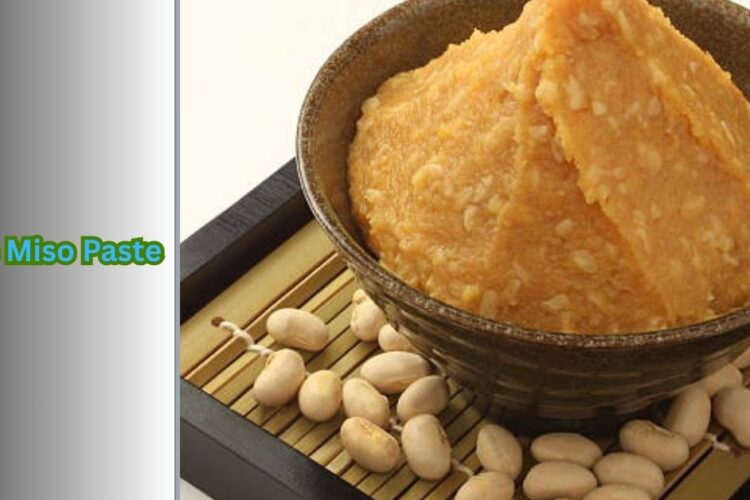
White miso paste, also known as shiro miso, brings a gentle sweetness and rich umami flavor to many Japanese dishes. Unlike darker miso varieties, it has a light color and a much milder taste. That difference comes from its shorter fermentation time, which can last only a few weeks. Because of this, it feels softer, slightly sweet, and easy to use in everyday cooking.
If you’ve ever wondered why chefs love this ingredient, the answer is simple. It adds depth without overpowering your food. From soups and dressings to marinades, it blends smoothly into many recipes. At the same time, people often compare it in searches like “white miso paste vs red” or “white miso paste vs miso paste” to understand its unique flavor.
You’ll also discover how it tastes, how to use it, and what to substitute if you don’t have it on hand. Plus, its nutritional value might surprise you. Once you start using it, it quickly becomes a go-to ingredient in your kitchen.
| Characteristic | Details |
|---|---|
| Also known as | Shiro miso, sweet miso, mellow miso |
| Color & Flavor | Light beige; mild, slightly sweet, and nutty umami |
| Main Ingredients | Fermented soybeans, rice koji, and salt |
| Fermentation Time | Short (weeks to ~6 months) for a gentle flavor |
| Common Uses | Soups (miso soup), dressings, marinades, glazes, sauces |
| Health Highlights | Nutrient-rich (protein, vitamins), probiotic-friendly, but high in sodium |
| Storage | Refrigerate after opening; lasts months due to salt |
What Is White Miso Paste?
White miso paste is a type of miso, which is a traditional fermented soybean paste from Japan. People have been making miso for over a thousand years. To prepare it, soybeans are cooked and then fermented with salt and a special culture called koji, which is usually grown on rice or barley. Among all types, shiro miso paste is the lightest and sweetest. It develops its gentle taste because it ferments for a shorter time. As a result, the flavor stays mild and slightly sweet instead of becoming strong or salty. Because of its soft color and delicate taste, white miso works well in light dishes. It adds a rich umami flavor without overpowering the other ingredients, making your food taste balanced and more refined.
Origins and Naming
White miso is sometimes called “sweet miso” or “mellow miso”. The Japanese name shiro miso reflects its light color. It was traditionally made in regions like Shinshu (modern Nagano) where cool climates sped fermentation. Over time, cooks realized that fermenting for less time and using more rice koji produces a sweeter paste. This is how shiro miso got its unique profile. (By contrast, longer-fermented misos turn yellow, brown, and red.) White miso paste vs red miso paste highlights this: one is fermented briefly and tastes sweet, the other ferments longer and tastes robust.
Ingredients and Production
The basic white miso paste ingredients are simple: soybeans, rice koji, salt, and water. To make it, steamed soybeans are mixed with a koji starter made from cooked rice and inoculated with Aspergillus oryzae. This mixture is then salted and aged. Because white miso uses a high ratio of rice koji and less salt, it only needs a few weeks to develop its flavor. (Longer fermentation would darken and intensify it, turning it into yellow or red miso instead.) During fermentation, enzymes from the koji break down the soy proteins and starches into amino acids and sugars, creating miso’s signature umami and sweetness.
What Does White Miso Paste Taste Like?
White miso paste has a mellow, sweet-savory taste. Unlike red miso, which is deep, salty, and pungent, white miso is light and subtly sweet. It delivers a mild umami depth without too much saltiness. In fact, white miso is often described as “mildly sweet” with a hint of nutty soybean flavor. It’s less salty and intense than darker misos – think of it as the gentle cousin in the miso family. Because of its light profile, white miso can even be used in dishes where you want a touch of umami without ruining the color or sweetness (e.g. creamy sauces or even desserts!).
On the tongue, miso paste generally tastes salty and savory (umami). But white miso balances that with sweetness. For example, chefs often add white miso to dressings or butter just to boost flavor. If you sample a bit of pure white miso, you’ll notice the salt, but also a light caramel-like sweetness. Some people compare it to a soy spread that tastes slightly like peanut butter but saltier. In any case, white miso paste yields a mellow savory base – perfect for light soups, glazes, and sauces where you want depth without overpowering the dish.
White Miso Paste Uses in Cooking
White miso paste is incredibly versatile in the kitchen. Its mild, sweet flavor makes it a great all-purpose seasoning or condiment. You can stir it into nearly anything that needs an umami boost. Here are some common white miso paste uses:
- Miso Soup and Broths: The classic use. Whisk a spoonful of white miso into hot water or broth at the end of cooking to make fragrant miso soup or to season stews.
- Sauces and Dressings: Mix white miso with ingredients like vinegar, oil, or citrus for a quick salad dressing or dipping sauce. It adds depth to mayonnaise, vinaigrettes, and tahini sauces.
- Marinades and Glazes: Blend white miso with ingredients (like soy sauce, ginger, honey) to marinate meats, fish, or tofu. When baked or grilled, miso creates a shiny glaze (miso-glazed salmon is a popular dish).
- Stir-fries and Stirred-in Sauces: Stir a bit of white miso paste into stir-fry sauces or soup broths. It dissolves quickly and enriches the dish.
- Sandwich Spreads: A dab of white miso can liven up sandwich spreads – mix into mayonnaise, mustard, or even butter.
- Baking and Desserts: Surprisingly, white miso can improve sweet dishes. Its sweet-savory quality adds complexity to cookies, caramels, or chocolate treats.
Substitutes for White Miso Paste
If you run out of white miso paste, don’t panic. You can often mimic its savory effect with other pantry items. Note that no substitute is a perfect match, since white miso has a unique paste texture and sweet-salty-umami flavor. But here are some common white miso paste substitutes:
- Soy Sauce (or Tamari/Coconut Aminos): Probably the easiest swap. Use about half the amount of soy sauce (since it’s liquid) for the called-for miso. It provides similar saltiness and umami. (Tamari is a gluten-free option; coconut aminos is soy-free.) Remember soy sauce won’t thicken a sauce like miso paste, but it will add saltiness and depth.
- Fish Sauce: If you eat fish, a splash of fish sauce adds salty umami. It’s thinner, so use it sparingly (about a quarter of the miso amount). Fish sauce is pungent, so start small.
- Tahini (Sesame Paste) + Salt or Soy: Tahini is thick and nutty. By itself it’s nutty/bitter (not salty), but mixed half-and-half with soy sauce it becomes a good miso stand-in. This combo approximates miso’s creamy texture and balanced flavor.
- Salt (and Sugar): When miso is just used for a bit of seasoning, plain salt (or kosher salt) can substitute. If a recipe uses only a teaspoon or less, just add a pinch more salt to taste. For a closer flavor, you can stir in a small bit of brown sugar or honey with salt to mimic miso’s sweet-salty profile.
- Other Miso Varieties: If you have a different miso on hand (yellow or red), you can use it, but beware the taste change. Red (aka) miso is much stronger and saltier, so use much less (or dilute with water) if swapping. Yellow miso is closer to white, so it’s the best color/strength match. In a pinch, any light miso (yellow or mild red) will work.
White vs Red Miso: Key Differences
If you’ve ever compared white miso paste vs red miso, you know the difference is striking. The color says it all: white miso (shiro) is pale beige, almost like peanut butter, while red miso (aka miso) is deep brown-red. These color differences come from fermentation and ingredients. Here’s how they compare:
- Fermentation Time: White miso ferments for the shortest time (weeks to a few months). Red miso ferments much longer, sometimes years. Longer fermentation makes the paste darker and more pungent.
- Flavor: White miso is mild, slightly sweet, and creamy. It’s often described as “light and subtly sweet”. Red miso is bold, salty, and earthy. It has a deep, savory punch that can almost seem spicy. A little red miso goes a long way. According to food experts, “red miso has a much heavier, denser flavor” compared to white.
- Uses: White miso’s gentle flavor suits light dishes – think spring soups, salad dressings, or fish. Red miso shines in heartier foods – stews, braises, robust marinades, and rich sauces. It can “inject fresh life” into meats or winter stews, whereas white miso might be overwhelmed by such bold recipes.
- Saltiness: Both are salty, but red miso usually tastes saltier and more astringent. White miso’s higher sugar content (from the koji) balances its salt. A woman on a cooking forum noted: “White miso is a bit sweeter and [red] miso has a deeper flavor”.
| Feature | White Miso (Shiro) | Red Miso (Aka) |
|---|---|---|
| Color | Pale beige/cream | Dark brown to red |
| Fermentation | Short (few weeks–6 mo) | Long (months–years) |
| Flavor | Mild, sweet, gentle umami | Robust, deeply savory, pungent |
| Saltiness | Moderate, balanced | High, sharp |
| Common Uses | Light soups, dressings, sauces | Stews, marinades, hearty dishes |
| Texture | Creamy and smooth | Thick and grainy |
Health Benefits of White Miso Paste
Beyond flavor, white miso paste has some nutritional perks (along with a note of caution). Because it’s made from soybeans and fermented, white miso offers:
- Nutrients: Miso is surprisingly rich in nutrients for a condiment. In about 1 tablespoon (17g) of miso you’ll find a few grams of protein and carbs, plus vitamins and minerals. For reference, one ounce (28g) of miso contains about 56 calories, 3 g protein, and notably 43% of the daily sodium. It also provides B vitamins, vitamin K, manganese, copper and zinc. (Since white miso is similar in composition to other soybean misos, these stats apply broadly.)
- Complete Protein: Fermented soybeans in miso yield all essential amino acids, making it a “complete protein” source. While the serving size is small, it still contributes to your protein intake, especially in vegetarian or vegan diets.
- Probiotics and Digestion: Because miso is fermented, it contains beneficial bacteria (probiotics) and enzymes. The fermentation process “promotes the growth of probiotics” that may support gut health. In other words, white miso may help maintain healthy digestive flora. Healthline notes that miso fermentation “makes it easier for the body to absorb the nutrients it contains,” and that those probiotics “provide a wide array of health benefits”.
- Heart Health and Cancer: Some studies (mostly in Asia) suggest regular miso consumption might be linked to lower risk of certain cancers (like breast and stomach) despite its saltiness, possibly due to soybean isoflavones. These findings are still being researched, but they hint at beneficial compounds in miso.
- Salt Caveat: On the flip side, remember that miso is very high in salt (nearly 43% of your daily sodium in just 1 oz). The Healthline summary warns that while miso is nutrient-rich and protein-packed, “it is also high in salt”. So, moderation is key. Even white miso, though milder, still packs a salty punch. If you watch your sodium intake, use white miso sparingly or dilute it in larger recipes.
Where to Buy and Store White Miso Paste
Finding white miso paste these days is fairly easy. Most large grocery stores now carry at least one variety in the refrigerated section (often near tofu, kimchi, or natto). Look for labels like “Shiro Miso” or “White Miso”. Natural food markets and Asian supermarkets usually have a wider selection (with brands like Hikari, Marukome, Miso Master, etc.). For example, Whole Foods Market’s 365 brand sells an organic white miso base.
If you shop online, you can easily find white miso paste on sites like Amazon or specialty food retailers. Just search for “shiro miso paste” or a brand name. Keep in mind that online prices tend to be higher due to shipping. One cooking blogger notes: “Miso paste can be located in most supermarkets… a store like Whole Foods or Sprouts [almost always has it]. You can also buy it online but it’s much more expensive than in-store prices”. So buying in person can save money.
Once you have white miso paste, store it tightly sealed in the fridge. Its high salt content is preservative, so it will keep for months (sometimes even a year) if cold. Some chefs also freeze extra miso for long-term storage. Just ensure any miso in the fridge is in an airtight container (or its original tub closed tight). According to experts, white miso keeps “for a few months” in the pantry unopened, but refrigeration is best once opened to preserve flavor and probiotics.
Conclusion
White miso paste is a gentle but powerful seasoning – think of it as a secret weapon in your kitchen. Made from soybeans, koji, and salt, its mild, sweet umami flavor elevates soups, sauces, and even sweet dishes. It’s the lightest variety of miso, fermented briefly so it won’t overpower a recipe. We’ve seen that it can be swapped with common substitutes like soy sauce or tahini in a pinch, though the real deal is worth keeping on hand for its distinctive taste.
Nutritionally, white miso packs a punch of protein, vitamins, and probiotic benefits, but watch out for its high sodium content. In cooking, use it to add depth: a spoonful in place of salt can transform a simple dish. Whether you’re making classic miso soup, a salad dressing, or even a rich marinade, white miso paste brings a unique savoriness to the table.
Next time you cook, experiment with this shiro miso paste. It may sound exotic, but it’s just one more tool – albeit a tasty one – in your flavor arsenal.
FAQs
What is white miso paste?
White miso (shiro miso) is a light-colored fermented soybean paste from Japan. It’s made by fermenting soybeans with rice koji and salt for a short time. The result is a paste that’s mild, slightly sweet, and rich in umami. It’s commonly used in soups, dressings, and sauces.
What can I use as a substitute for white miso?
The easiest substitute is soy sauce or tamari: use about half the amount of soy sauce for miso, since it’s liquid. You can also mix tahini (sesame paste) with a bit of soy sauce for a similar texture and flavor. For a quick fix, extra salt (with a pinch of sugar) can work if only a little miso is called for. Fish sauce can also mimic the savory quality, though it’s quite pungent. Keep in mind no substitute perfectly matches white miso’s sweetness and thickness.
What is the difference between white miso and regular (red) miso?
White miso ferments for a shorter time than red miso, so it stays light in color and mild in flavor. It tastes sweet and creamy, whereas red miso tastes bold, salty, and earthy. Red miso (aka miso) is fermented longer and has a strong umami kick, so it’s used in hearty stews and robust sauces. White miso is better for delicate soups, dressings, and dishes where you want gentle flavor.
What does miso paste taste like?
Miso paste in general is savory and salty, with a deep umami taste. White miso paste specifically is milder and a bit sweet compared to darker misos. So you’ll notice a salty, soy flavor, but it’s balanced by a touch of sweetness and nuttiness. In contrast, red miso is much stronger and saltier.
Where can I buy white miso paste?
You can find white miso at most well-stocked grocery stores (usually in the refrigerated health food or Asian section). Shops like Whole Foods or Sprouts almost always carry it. If you can’t find it locally, try online retailers like Amazon or specialty Asian food websites. Just remember that online prices may be higher than store prices. Once you have it, keep it in the fridge where it will stay good for many months.