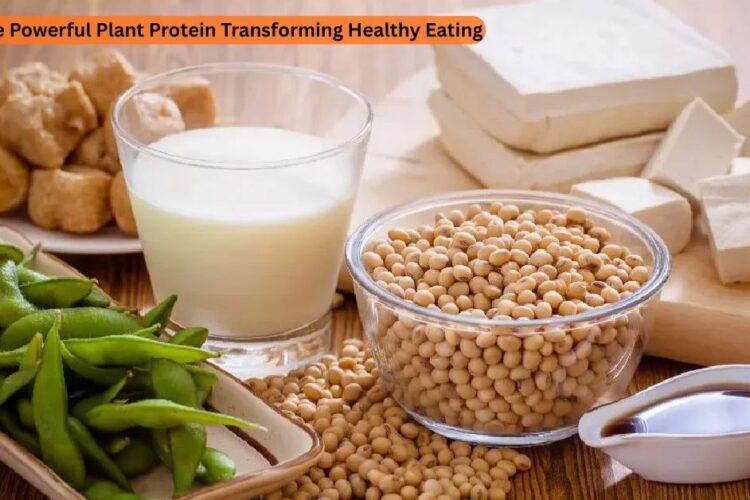
Insoya is a modern plant-based protein made from soybeans, engineered to meet contemporary health and environmental demands. Emerging as a refined evolution of traditional soy, it offers complete protein nutrition while being cholesterol-free and low-fat. With rising interest in vegan and sustainable diets, this nutrient-rich product is gaining attention for its superior digestibility and fortified vitamins and minerals.
| Key Attribute | Details |
|---|---|
| Form | Fermented soy protein (chunks, powder, flour, etc.) |
| Protein (per 100g) | ~52 g (complete amino acid profile) |
| Fiber (per 100g) | ~13 g (supports digestive health and satiety) |
| Fat (per 100g) | ~1 g (mostly unsaturated, heart-friendly) |
| Vitamins/Minerals | Often fortified with B12, iron, calcium, etc. |
| Special Compounds | Isoflavones (phytoestrogens for hormone balance) |
| Dietary Use | Meat/dairy alternatives, protein shakes, snacks |
| Sustainability | Lower carbon footprint and water use vs. meat |
What Is Insoya?
Insoya is essentially a technologically advanced soy protein product. It starts with non-GMO, organic soybeans that undergo fermentation and fortification, reducing antinutrients like phytates and improving nutrient absorption. This makes the protein far more digestible than standard soy and enhances its nutritional value.
- Fermentation: Breaks down compounds and adds mild probiotics, making it easier on digestion.
- Fortification: Adds vitamins (B12, D) and minerals (iron, calcium) often lacking in plant foods.
- Forms: Sold as chunks, granules, flour, powders, and fortified mixes.
This fermented, fortified soy protein is often promoted in health-food circles as clean-label and versatile. Its development modernizes soy’s ancient heritage, delivering nutrition without the traditional drawbacks. For these reasons, Insoya is gaining popularity among vegans, athletes, and families alike.
Origins and Evolution
Soybeans have been cultivated for millennia in East Asia. Traditional forms—like tofu, tempeh, miso, and soy milk—were prized for their high protein and versatility. In regions where meat was scarce, soy provided essential nutrients affordably. The modern Insoya product builds on this heritage by improving texture and nutrient profile, bringing soy into a convenient form suited to busy, health-conscious lifestyles.
Nutritional Profile of Insoya
One of Insoya’s biggest draws is its impressive nutrient density. Per 100 grams, it offers about 52 grams of high-quality protein, making it one of the richest plant proteins available. This protein is complete, supplying all nine essential amino acids needed for muscle repair and metabolism. For comparison, a 100g chicken breast has only about 27g protein. The soy protein is also low in fat (around 1g/100g) and cholesterol-free.
- High Protein (52g/100g): Supports muscle growth and keeps you full.
- Low Fat (~1g/100g): Virtually no saturated fat or cholesterol.
- Fiber-rich (13g/100g): Promotes digestive regularity and stable blood sugar.
Insoya products are often fortified with key micronutrients. Many add vitamin B12, iron, calcium, magnesium, and omega-3s to fill gaps in plant diets. These fortifications support energy metabolism and bone health. Fermentation also enhances mineral bioavailability by reducing phytates, meaning your body can absorb more of the added nutrients.
Comparing Plant Proteins
Compared to other protein sources, Insoya often has an edge. The table below compares 100g of Insoya to common protein foods:
| Protein Source | Protein per 100g | Notable Feature |
|---|---|---|
| Insoya | ~52 g | Complete protein + fiber |
| Pea Protein | ~48 g | Allergen-friendly, but incomplete in some AAs |
| Whey Protein | ~80 g | Complete but dairy (hormones/antibiotics) |
| Chicken Breast | ~27 g | No fiber, contains cholesterol |
Insoya delivers plant-based protein on par with animal sources, while also providing fiber and beneficial plant compounds. This makes it an efficient and cost-effective protein choice.
Health Benefits of Insoya
Consuming this nutrient-packed protein supports multiple aspects of health.
Muscle Growth and Recovery
Its high-quality protein content promotes muscle repair and growth after exercise. With all essential amino acids, it effectively supports workout recovery. Athletes often use Insoya shakes or meals post-exercise for efficient muscle rebuilding.
Heart and Cardiovascular Health
It is heart-healthy, containing virtually no saturated fat or cholesterol. Its soy protein and fiber can help lower LDL (“bad”) cholesterol, reducing cardiovascular risk. Including Insoya in place of animal fats contributes to a heart-friendly diet.
Digestive Wellness
With about 13g fiber per 100g, Insoya aids digestive regularity. Fermentation breaks down hard-to-digest compounds, making it gentler on the stomach. Many people find it easier to digest than plain soy.
Hormonal Balance and Bone Health
It naturally contains isoflavones, plant estrogens that may ease menopausal symptoms and support bone density. Fortified versions also provide calcium and magnesium, further strengthening bones. These effects make it especially beneficial for women’s health.
Weight Management
High protein and fiber increase feelings of fullness, which helps control appetite. Its low-calorie, nutrient-dense profile lets people stay satiated on fewer calories. This combination supports healthy weight loss when Insoya is included in a balanced diet.
Culinary Uses and Versatility
Part of Insoya’s appeal is how easily it fits into many recipes. Its mild flavor and texture let it stand in for meat and dairy in dishes.
Meat and Dairy Alternatives
Insoya can replace meat in recipes like stir-fries, tacos, and burgers. It also forms the base of dairy-free milks, yogurts, and cheeses — providing lactose-free, protein-rich alternatives.
Baking and Shakes
Insoya is useful in baking and smoothies. Soy flour or protein powder can be added to breads, muffins, or pancakes to boost protein. It mixes smoothly into protein shakes, making for a filling breakfast or post-workout drink.
Insoya in Special Diets
Because of its profile, this protein works well in many diet plans.
Weight Management and Heart-Healthy Diets
Its high protein and fiber increase fullness, aiding weight-loss efforts. Including it in meals can replace animal protein without raising cholesterol, making meals both filling and heart-friendly.
Blood Sugar and Diabetes
It has a low glycemic load, making it suitable for diabetics. Its fiber slows carbohydrate absorption, helping maintain steady blood sugar levels.
Vegan, Vegetarian, and Gluten-Free Diets
As a plant-based protein, it is a staple for vegan and vegetarian diets. It contains all essential amino acids and is often fortified with nutrients (like B12) that vegans need. It is naturally gluten-free, making it safe for people with celiac disease.
Fitness and Muscle Building
It provides athletes and bodybuilders with clean, dairy-free protein. Its complete amino acids support muscle recovery, and Insoya powders often include added BCAAs and vitamins for performance.
Sustainability and Environment
Choosing Insoya can benefit the planet. Producing soy protein uses far less water and land than raising livestock for the same amount of protein. It also generates significantly fewer greenhouse gas emissions. These factors make it a much more eco-friendly protein. Insoya is cruelty-free and aligns with ethical food practices. Replacing meat with Insoya in meals helps cut deforestation and pollution linked to animal farming, contributing to sustainable diets.
Buying Guide: Selecting Quality Soy Protein
When choosing Insoya products, consider these tips:
- Organic & Non-GMO: Pick organic, non-GMO brands to avoid pesticides and GMOs.
- Check Ingredients: Ensure “soy” is the main ingredient and watch for minimal additives. Fortified products should list added vitamins (like B12 or D).
- Quality: Good Insoya has a uniform color and no off-odors. Check the freshness/expiry date (best within 1–2 years).
Safety and Side Effects
Insoya is generally safe for most people when eaten in normal amounts. However, anyone with a soy allergy should avoid it. Its fermentation process removes many common irritants, so it is often easier to digest than unfermented soy. Standard dietary advice suggests moderate portions (around 25–50g protein per day) to avoid digestive discomfort or nutrient imbalances. Overall, it provides benefits without significant side effects for the average person.
Expert and User Opinions
Nutrition Experts
Dietitians and food scientists often highlight this protein’s enhanced digestibility and nutrient absorption. They note that fermentation makes Insoya’s nutrients easier for the body to use. Many experts recommend including fermented soy products like Insoya in a balanced diet to close nutrient gaps in plant-based eating.
Consumer Trends
Consumer interest is growing. Social media and food blogs feature creative recipes (such as protein shakes and veggie burgers) using Insoya. Market analysts report Insoya products appearing in more supermarkets as people seek healthy, sustainable foods. Many users report positive experiences, praising how easily the protein mixes into dishes and fits their wellness goals.
Conclusion
It represents a next-generation soy protein: carefully processed and fortified for better nutrition and sustainability. Insoya delivers plant-based protein along with fiber and essential micronutrients, all while being gentle on digestion. This makes it valuable for anyone seeking vegan, heart-healthy, or performance-focused nutrition. By replacing animal products with Insoya, individuals can also reduce their environmental impact. As more people embrace plant-powered diets, Insoya’s innovation shows how traditional foods can be improved by science. Its growing popularity suggests it will remain a go-to source of protein for families, athletes, and anyone interested in sustainable eating.
FAQs About Insoya
Q: What is Insoya and why is it used?
A: It’s a fermented, fortified soy protein product used as a high-quality plant protein source.
Q: Is it safe to eat daily?
A: For most people, yes. It’s generally as safe as other soy foods. Stick to moderate portions (about 25–50g protein/day) and avoid it if you have a soy allergy.
Q: Is Insoya good for weight loss?
A: Yes. Its high protein and fiber content increase satiety, helping control appetite and supporting calorie-deficit goals.
Q: Can diabetics eat Insoya?
A: Yes. Insoya has a low glycemic load and high fiber, which helps stabilize blood sugar after meals.
Q: Is it better than meat?
A: It provides more protein per gram (and fiber) without cholesterol, plus a much smaller environmental footprint. However, meat provides certain nutrients (like naturally occurring B12) that Insoya lacks unless fortified.