By Musanaf seo on February 22, 2026
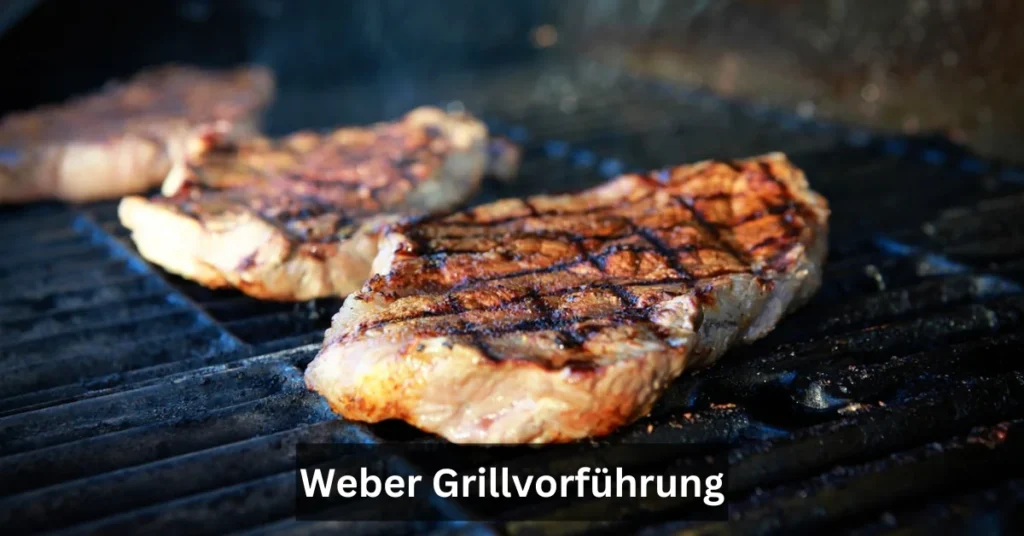
Weber Grillvorführung literally means a live Weber grill demonstration. Industry sources describe it as “a live demonstration where Weber experts showcase how their grills work in real cooking situations”. In practice, this means you watch a professional griller cook steaks, veggies or even pizza on a Weber barbecue right before your eyes. It’s like a hands-on BBQ class: you absorb techniques in real time – smelling the smoke and learning tips – instead of just reading about them.
For example, participants often ask specific questions about grill temperature or seasonings and get one-on-one advice from Weber-trained chefs. These events usually include tasting the food that’s being cooked, so you go home not only with new recipes and ideas, but also with confidence in what you’ve learned.
| Feature | Details |
|---|---|
| Event Type | Live Weber grill cooking demonstration. |
| Hosts | Weber-certified grill experts at local stores or outdoor venues. |
| Locations | Weber stores, garden centers, BBQ shops or community events. |
| Duration | Typically 2–3 hours (often free but may require RSVP). |
| Audience | Grill enthusiasts of all levels (from beginners to seasoned cooks). |
| Takeaways | New grilling techniques, recipes, and practical safety tips. |
According to Weber guides, these demos are “hosted by trained professionals, often certified by Weber”. In other words, a Weber Grillvorführung is essentially an educational barbecue workshop. The format is more cooking class than sales pitch: experts walk you through grill setup, temperature control, and recipes step by step. The focus is on learning – “not only to sell grills, but to teach people how to master them”. In short, it’s a hands-on Weber grill workshop, showing you exactly how to cook outdoors.
Most Weber Grillvorführungen are organized at local retail locations or by Weber itself. For example, home centers, garden stores, and Weber brand outlets frequently host them. As one source notes, “most demonstrations are organized by retailers or at official events by Weber Inc.”. This means the events are usually free or low-cost if you sign up – the goal is to educate and inspire, not just to make a quick sale. They can take place in a store aisle, an outdoor tent, or even a community event space.
One of the biggest benefits is the live, practical learning. As one guide explains, “at a Weber Grillvorführung, you’re not just watching a cooking show; you’re getting real-time insights and practical tips”. For example, the instructor might demonstrate creating a two-zone fire on a charcoal grill right in front of you. Seeing exactly how much charcoal to use or how to adjust the vents bridges the gap between theory and your own backyard grill. This hands-on demonstration makes complex grilling techniques easy to understand and remember.
These events are very interactive. Attendees get to ask questions specific to their needs. Have a problem with flare-ups? Wondering how to slow-roast a pork shoulder? The experts address it on the spot. Whether it’s about choosing the right charcoal, adjusting cooking time, or seasoning tricks, the grill masters tailor advice for you. This personalized coaching is something you rarely get from books or videos.
Grilling isn’t just flipping burgers. As noted in expert guides, demos often introduce advanced methods like smoking, rotisserie, and searing. You might see how to smoke ribs with wood chips or how to sear a steak for a perfect crust. Learning these techniques in person can elevate your meals to a new level. Even if you’re an experienced griller, you’ll likely pick up tricks you never knew (like reverse searing for thick steaks, or how to use a chimney starter for charcoal).
A tasty perk of attending is sampling. Many Weber Grillvorführungen include delicious tastings of the dishes cooked during the demo. After seeing a dish prepared, you actually get to taste it. Perfectly grilled steak, succulent ribs, or seasoned veggies – trying these samples fills you up and gives you inspiration. You’ll leave with recipe ideas and a mental menu of new things to grill at home.
Expect a well-organized, friendly session. Usually, the grillmaster (a Weber rep or local expert) starts by welcoming everyone and walking through the plan for the day. They’ll explain what grill model is being used and what recipes are on the menu. This introduction sets a relaxed, educational tone. As one source describes, hosts “provide an overview of the event, explaining the schedule and what attendees can expect”.
The main part is the live cooking demo. The expert cooks right on the Weber grill, step by step. They cover essentials and beyond – from basic grill use to advanced cooking. For example, demonstrations usually include “Grilling Basics” (like grill zones and direct vs. indirect heat), “Advanced Techniques” (smoking, rotisserie, searing), “Temperature Control”, and Tools & Accessories (how to use thermometers and special grill baskets). You’ll watch techniques like preheating the grill, adjusting air vents, and flipping meat at just the right moment.
Many events are hands-on. Participants often get a turn with the tongs. Imagine applying what you just learned: the instructor may invite you to flip burgers or move food to a cooler zone under guidance. This interactive practice cements your skills. It’s like a grilling lab: try it yourself and get immediate feedback. By the end, that two-zone cooking or “sear-and-pull” technique has become second nature rather than a mystery.
Expect a question-and-answer session toward the end. This is one of the most valuable parts. You can ask anything – from which Weber model suits your backyard to how to perfect a marinade. The experts share their knowledge, explaining why certain steps matter. As one guide notes, this personalized advice can be “extremely beneficial”, making the event feel more like a workshop than a one-way show.
These are the standard format: a grill pro demonstrates general techniques. They focus on Weber’s main grills (charcoal and gas) and cover everyday recipes. Expect sessions on lighting the grill, cooking burgers or chicken, and basic BBQ skills. In a classic demo you’ll see a grillmaster use a Weber charcoal kettle or gas Genesis grill to walk through getting perfect sear marks and even cooking. This type is ideal for beginners or anyone wanting to polish the fundamentals.
Some demos are organized around a theme. For example, a Summer BBQ Special might focus on backyard classics like steaks and burgers. An International Flavors event could showcase grilling styles from Mexico, Asia, or the Mediterranean. There are also sessions devoted to vegetarian grilling or holiday meals. These themed demos give you fresh ideas and specialized tips – say, a Mediterranean marinade or a smoker rub – depending on the focus of the event.
Weber also offers in-depth workshops. These dive deep into one topic. For instance, a Smoking Workshop might spend the entire session on wood-chip smoking techniques, while another might be dedicated to perfecting pizza on the grill. Workshops are usually smaller, with more hands-on practice. They’re like a masterclass on a single skill: you’ll walk away much more experienced in that one area.
Beyond single events, Weber runs multi-part Grill Academy courses. These might span several weeks, covering different aspects of grilling each time. Attending a Grill Academy means advancing gradually – one session might be all about brisket smoking, another about advanced gas grilling. It’s a structured program for real barbecue enthusiasts who want to take a deep dive. Participants progress step by step, gaining confidence and skill over time.
A core lesson is heat management. Demos clearly illustrate direct grilling (placing food right over the flame) versus indirect grilling (cooking off to the side). For quick-cooking foods like burgers or sausages, the chef will show how to use direct high heat for a nice sear. Then they’ll switch to indirect heat for larger items (like whole chicken or roast) – placing the food away from flames so it cooks slowly. This two-zone method prevents burning while ensuring even cooking, and seeing it live makes it intuitive.
Advanced tricks are on the menu too. Smoking food at low temperature with wood chips is often demonstrated. You’ll learn how to add smoke flavor without overcooking. The instructor might show how to create smoke with a small tray of wood chips or by using a charcoal chimney. Searing is also common: using very high heat to lock in juices on a steak’s surface. For instance, you might watch them sear a ribeye over hot coals for a perfect crust, then move it aside to finish cooking. These techniques add extra flavor to your barbecue.
During a demonstration, you’ll see Weber’s most popular models in action. The iconic Weber Kettle charcoal grill is a staple. It’s versatile – perfect for burgers or even indirect smoking. On the gas side, models like the Genesis series often take the spotlight. These multi-burner grills offer precise control and are great for cooking multiple foods at once. Seeing these grills live helps you understand their strengths (for example, how evenly a Genesis can cook or how the kettle’s lid venting works).
Some events highlight premium grills. For instance, the Weber Summit series might be shown. These top-of-the-line grills have extras like sear stations, side burners and smoker boxes. If you’re curious about serious BBQ setups, demos might also include pellet grills or Kamado-style cookers. You get to compare – seeing the Summit’s power or how a Kamado maintains low heat, for example. This helps you choose the right grill for your needs.
Beyond the grill itself, demos show off handy accessories. Common items include digital thermometers (to get internal meat temp just right) and grill baskets or racks (for cooking veggies or fragile foods). The experts will often demonstrate these tools: for example, sliding a pizza onto a preheated stone or using a thermometer probe correctly. You’ll learn which accessories are worth investing in. Seeing them used in real time is more convincing than just reading a description – it shows exactly how each tool makes grilling easier and more foolproof.
Food safety is emphasized at these demos. Instructors remind you to cook meats to safe internal temperatures (for instance, poultry to at least 165°F) and to use a meat thermometer rather than guessing by color. As one Weber guide notes, “Grilling is not just about flavor. It is about safety.”. So expect pointers on hygiene (like preventing cross-contamination) and proper cooking times, ensuring your barbecue is both delicious and safe to eat.
Live demos always include important grill safety advice. For example, presenters will often show how to check for gas leaks before lighting a grill. They’ll insist on never leaving a hot grill unattended, and using long-handled utensils to stay clear of flames. Maintaining the grill is covered too – clean grease buildup to prevent flare-ups. One source sums it up: “Safety is a top priority” at Weber demos. Below are common safety tips shared at these events:
Overall, Weber Grillvorführungen are about hands-on learning and having fun. They combine practical education with a social experience. After attending, grillers often feel far more confident: you know how to manage heat zones, use a thermometer, and tackle new recipes. As one summary notes, these events are about “learning, experiencing, and engaging with grilling experts who can help elevate your skills”. In other words, you walk away with real skills – not just the theory. Whether you’re looking to master the perfect steak, learn new side dishes, or simply make the most of your Weber grill, a Grillvorführung can take your barbecue game to the next level.
Key Takeaways: Weber Grillvorführungen blend live cooking demos, expert Q&A, and tasting into a rich learning experience. You see Weber grills in action, discover pro techniques, and learn safety best practices. In the end, you’ll have practical knowledge and tasty recipes that are hard to get anywhere else.
It’s a live Weber grill demo where certified grill experts cook in front of you. You learn techniques and try samples in real time. Think of it as a free (or low-cost) outdoor cooking class featuring Weber barbecue equipment.
Most sessions run 2–3 hours. This gives enough time for an introduction, a full cooking demonstration, and a Q&A. Exact length can vary by organizer, so it’s wise to check the event details when signing up.
No. The hosts provide the Weber grill and all tools. Just come with your enthusiasm. In fact, many demos let you handle the grill briefly (flipping burgers, etc.) but the equipment is supplied.
It depends on the event. Many demos at local retailers or Weber stores are free, though you might need to RSVP. Some specialized workshops or classes might charge a fee. According to industry information, “some demonstrations are free, while others require a fee”. Always check in advance and register early, as spots can be limited.
Anyone interested in grilling! Beginners get the basics (lighting the grill, cooking burgers safely), while experienced grillers pick up advanced tips (smoking meats, precision searing). Even if you’re just shopping for a grill, seeing Weber models in action is invaluable. As experts note, these events give “valuable insights that are hard to find in guides or online”. In short, home cooks who want to impress guests or learn new BBQ skills will benefit the most.