By Musanaf seo on February 27, 2026
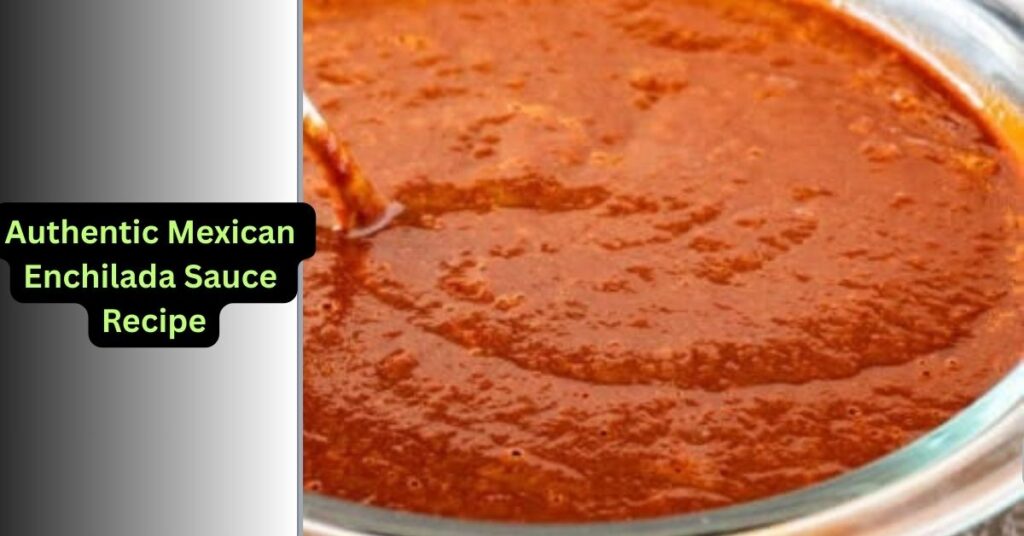
Imagine a jar of vibrant red sauce thick with smoky heat. This authentic Mexican enchilada sauce recipe is built on dried red chiles, garlic and spices — not canned tomatoes. The result is a deep-red sauce with complex, earthy flavor – the true soul of enchiladas in Mexico. To make it, home cooks toast or simmer dried chiles (like guajillo or ancho) to unlock their oils, then blend them with aromatics and broth for a silky finish. This approach yields a smoky, velvety sauce that will have you ditching store-bought versions for good.
| Cuisine | Mexican |
|---|---|
| Dish | Enchilada Sauce (Red Chile Salsa Roja) |
| Key Ingredients | Dried red chiles (guajillo, ancho, etc.), garlic, onion, cumin, oregano |
| Flavor Profile | Deep, smoky, earthy-spicy |
| Prep & Cook Time | ~30 minutes total |
| Yield | ~8 cups (enough for 10–12 enchiladas) |
An authentic enchilada sauce with dried chiles relies on a few simple staples. The star ingredients are dried red chile peppers – typically ancho (dried poblano), guajillo, pasilla or New Mexico chiles – which give the sauce its rich color and heat. As one cook notes, a real red sauce “is made from dried chiles, onion, garlic and a small piece of Mexican chocolate”. The chiles are usually rehydrated by toasting or steeping in hot water; this brings out their full berry-like and smoky flavors.
Beyond chiles, authentic recipes stick to basic aromatics and spices: fresh garlic and onion (often sautéed or blended raw) add depth, while ground cumin, Mexican oregano and a pinch of cinnamon can round out the flavor. A touch of Mexican chocolate or cocoa is traditional in some regions, lending a faint mole-like richness to the sauce. Importantly, no tomatoes are needed in the classic version. Chefs insist that a true authentic enchilada sauce recipe no tomato uses only the chiles and seasonings to create that deep red hue. (In fact, one well-regarded recipe bluntly states: “no tomatoes in enchilada sauce or red sauce”.) If you see tomatoes in your enchilada gravy, it’s likely a Tex‑Mex shortcut – tasty, but not traditional.
The choice of chile has a huge impact. Each dried chile brings its own flavor and heat level. Common picks include ancho chiles (dried poblano, sweet and mild), guajillo chiles (earthy, mildly spicy), pasilla chiles (deep, slightly fruity and mild), and chile de árbol (quite hot and nutty). Below is a quick guide:
| Chile (Dried) | Flavor Profile | Heat Level |
|---|---|---|
| Ancho (Poblano) | Sweet, earthy, raisin-like | Mild |
| Guajillo | Fruity, tangy, mildly smoky | Mild–Medium |
| Pasilla (Negro) | Rich, smoky, chocolaty notes | Mild |
| Chile de Árbol | Intense, nutty smokiness | Hot |
| New Mexico / California | Bright, peppery, slightly sweet | Mild |
Blending two or more chiles often gives the best balance: for example, mixing guajillo (color and fruity notes) with chile de árbol (extra heat) is popular. Toasting the whole dried pods briefly in a dry skillet (until fragrant) before soaking will deepen the flavors by releasing their oils.
Along with chiles, classic recipes call for garlic and onion (often blended into the sauce after sweating or broiling). These add body and sweetness. Common spices include ground cumin and dried Mexican oregano. Some cooks also stir in a pinch of cinnamon or a square of Mexican table chocolate – not enough to taste chocolate, but just to round out acidity. Salt is, of course, essential for balance. The key is restraint: let the chiles speak for themselves and avoid overpowering them. As one source puts it, authentic sauce is “very simple yet flavorful” because the chile and garlic carry most of the weight.
A helpful tip: if you’re ever in a hurry, some recipes use ground chili powder and tomato paste as shortcuts. For example, Cookie and Kate’s popular red enchilada sauce uses chili powder, tomato paste, and a roux for thickness. This version is quick and has authentic Mexican flavor, but purists will note it’s more Tex-Mex. For a truly traditional result, stick with whole dried chiles, as we’ve outlined here.
A common question is: does authentic enchilada sauce have tomatoes? The answer is a firm no in traditional Mexican cooking. Classic red enchilada sauce (often called salsa roja or chile colorado) is made without tomato or tomato products at all. Instead, the red color comes entirely from the rehydrated chilies. (In fact, the Spanish prefix “en-“ in enchilada roughly means “in chili,” hinting that chili peppers, not tomatoes, define the dish.) Many chefs note that adding tomatoes turns the sauce into something else – delicious, but not the authentic Mexican red sauce recipe. That said, some modern recipes do use tomato paste or canned tomato to tweak sweetness; this creates a more Americanized “enchilada sauce” that can resemble marinara. If your goal is 100% traditional flavor, skip the tomato and let the chiles shine.
With ingredients prepped, the method is straightforward. This classic sauce is essentially a homemade red chile sauce from scratch. Here’s the general process:
Prepare the peppers. Remove stems and seeds from the dried chiles. Wipe them clean of any dust (a damp towel helps).
Toast briefly. Heat a dry skillet over medium. Lightly toast each chile 30–60 seconds per side, until it puffs up and smells fragrant. (Be careful not to burn them – charred chiles taste bitter.) Toasting loosens the oils in the skins and deepens the flavor.
Rehydrate. Place the toasted chiles in a bowl and cover with very hot water. Let them soak for about 10–20 minutes until soft and pliable. Reserve about ½–1 cup of the soaking liquid (it’s full of chile flavor, though it can be a bit bitter, so you can dilute it or replace with broth if preferred).
Blend the sauce. Transfer the softened chiles (discarding stems and any floating seeds) into a blender. Add a roughly chopped onion, a few peeled garlic cloves, and a splash of the soaking liquid (or chicken stock) – just enough to get the blender going. Puree until smooth. If the mixture is too thick, add a little more liquid. For an extra-smooth sauce, strain the puree through a fine-mesh sieve back into a bowl, pressing with a spoon.
Cook and thicken. Heat a couple tablespoons of oil in a saucepan over medium. (Some cooks use butter or bacon fat for extra richness.) Stir in 2 tablespoons of flour and whisk constantly for 1–2 minutes to form a roux. This roux will give the sauce body. Slowly pour the blended chile puree into the pan, whisking to combine. Add a bay leaf, a dash of salt, and a pinch of cumin or cinnamon if desired.
Simmer. Increase heat to bring the sauce to a low boil, then reduce to a gentle simmer. Cook uncovered for 10–15 minutes, whisking now and then. The sauce will thicken and deepen in color as it simmers. Taste and adjust seasoning (more salt or a touch of vinegar can brighten it at the end). Remove the bay leaf. Your authentic enchilada sauce is ready – it should coat the back of a spoon and cling to tortillas.
Modern cooks often ask how to make their homemade sauce as rich as what you get in restaurants. A few hacks can help:
Store-bought or canned enchilada sauces tend to be thin and tinny. To mimic a restaurant style enchilada sauce, boost both body and flavor. One pro tip is to whisk in a small butter-and-flour roux (as we did) to immediately thicken the sauce. For extra depth, sauté a bit of finely chopped onion and garlic in oil first. Adding smoked spices (a pinch of chipotle chili powder or smoked paprika) can also give that smoky restaurant vibe. Essentially, you’re taking the base sauce and enriching it – it’s a quick hack that transforms a plain sauce into something mouthwateringly rich.
You can make a big batch of this authentic Mexican enchilada sauce recipe for canning or later use. To store short-term, refrigerate the cooled sauce in a sealed container for up to 4–5 days, or freeze it for 2–3 months. For long-term shelf-stable storage, pressure canning is ideal. Ladle hot sauce into sterilized jars, leaving 1″ headspace. Process in a pressure canner at 10–11 psi (depending on altitude) – usually about 50 minutes for pint jars. (Always follow an up-to-date canning guide.) Canning locks in the flavor, letting you enjoy this homemade sauce year-round. When ready to use, simply warm it gently on the stove and maybe whisk in a bit of water or broth if it’s too thick.
With your sauce ready, let’s talk serving ideas. The classic use is, of course, enchiladas – corn tortillas filled with meat, cheese or veggies, rolled up, and smothered in sauce. This sauce shines on chicken enchiladas, beef enchiladas or plain cheese enchiladas alike. You can use it for a cheesy enchilada casserole, as a topping for nachos, or even as a dip for tortilla chips. Essentially, think of it as the Mexican equivalent of béchamel – it’s ubiquitous!
For example, you could shred cooked chicken, mix it with a little sauce and cheese, roll up the tortillas, pour more sauce on top, sprinkle cheese, and bake until bubbly. That’s a classic chicken enchilada recipe. The spicy, smoky sauce will penetrate every bite. Similarly, this chile gravy is the heart of mole poblano or used in chile colorado stews.
Side dishes: A creamy refried beans and a good Spanish rice recipe make perfect companions. Mexican (Spanish) rice is typically rice simmered in tomato broth with garlic and onion – it’s an easy, colorful side. For example, try sautéing rice with some onions, then simmer it in chicken broth with tomato paste and cilantro. The mild tomato note in rice pairs well against the fiery enchilada sauce.
Salads or slaw (like crisp cabbage slaw with lime) and warm corn tortillas (dusted with cheese and broiled) are great too. Whatever you serve, a squeeze of lime and a sprinkle of fresh cilantro on the plated enchiladas will brighten the dish and highlight the sauce’s flavors.
The secret is high-quality ingredients and balance. Use fresh dried chiles and toast them to awaken their flavor. Layer in aromatics (garlic, cumin, oregano) and simmer gently so nothing tastes raw. Achieve a perfect savory–tangy–spicy balance by seasoning with salt, a splash of vinegar or lime at the end, and maybe a tiny touch of sweet (like a pinch of cocoa). In short, control your spice level to your taste, and don’t skip the step of cooking the sauce down so it thickens and intensifies. Many cooks say the key is letting the sauce develop without rushing – patience yields depth of flavor.
Traditionally, authentic enchilada sauce is made of dried red chile peppers, garlic, onion and spices. There’s typically no tomato at all. Many recipes simply rehydrate (or toast) chilies and blend them with garlic, oregano, cumin and broth. A bit of flour or corn masa may be added to thicken it. In contrast, Tex-Mex versions often add tomato paste or canned tomatoes, but purists stick to the chiles-only base. In short: Chile peppers (like guajillo or ancho), garlic, onion, and maybe a bit of cumin/oregano – that’s your enchilada sauce.
As one chef puts it, the million-dollar secret to great enchiladas is the sauce. Of course, good fillings and soft tortillas matter too, but a great sauce can elevate everything. Make sure to lightly fry your corn tortillas before filling (this seals them and keeps them from getting soggy). Use high-quality ingredients – fresh cilantro, ripe avocado, your favorite cheeses or meats. But most importantly, cover each rolled enchilada generously with your spicy red sauce and plenty of cheese before baking. Let the casserole rest a few minutes after cooking; it sets up like lasagna and makes serving neater. Finally, don’t forget garnishes like fresh cilantro, sliced radish or queso fresco – they add a burst of color and flavor.
Not exactly. Red chile sauce is a broad term for any sauce made from dried red peppers, whereas enchilada sauce specifically refers to the chile sauce used on enchiladas. Homemade red chile sauce (as we’re making here) is typically thicker and more intensely flavored, crafted from rehydrated whole chilies. In fact, one expert notes that authentic red chile sauce and the canned enchilada sauce you find at the store are “worlds apart”. The difference often lies in ingredients: true red chile sauce usually has no tomato or onion, while many enchilada sauces do. So while the terms are related, think of “enchilada sauce” as a type of red chile sauce – one that you pour over enchiladas.
No – real Mexican enchilada sauce is tomato-free. If you’re aiming for authenticity, you use only chiles, spices and perhaps a little masa or flour to thicken. The bright red color comes naturally from the chilies themselves. (If you see a recipe with tomato puree or paste, it’s usually an Americanized version or a shortcut.) Traditional cooks even say that enchiladas and tomatoes usually don’t mix; dishes featuring tomato-orange sauces are better called entomatadas instead. So rest assured: the secret ingredient is no tomatoes at all.
By following the steps above, you can create a restaurant-quality authentic Mexican enchilada sauce recipe in your own kitchen. A few quality dried chiles, simple seasonings, and a bit of patience for simmering will reward you with a sauce far more flavorful than anything from a can. This rich, smoky gravy will become the heart of your next enchilada dinner – with friends and family savoring every bite. Enjoy the process, tweak the heat to your liking, and don’t forget to share the meal with loved ones. ¡Buen provecho!