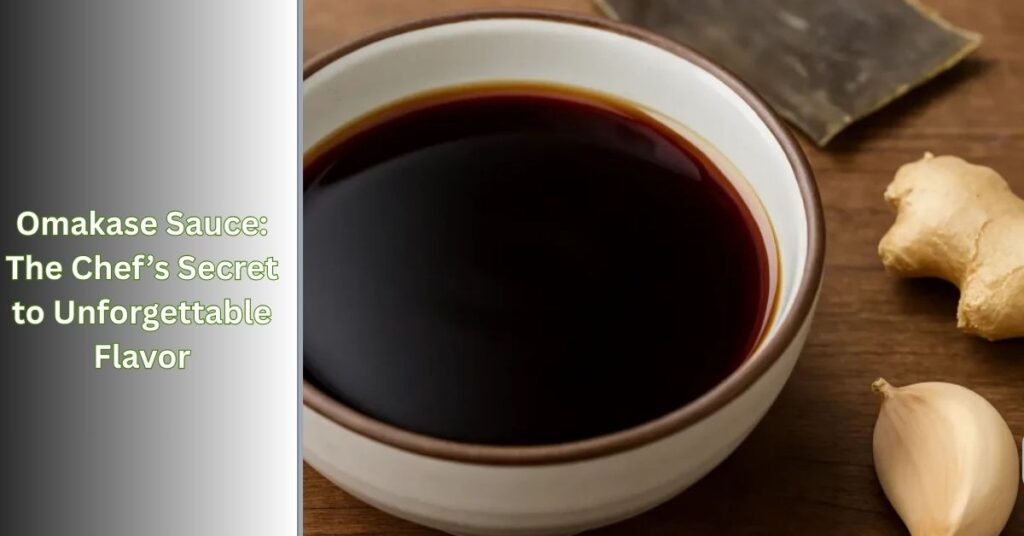
Sushi becomes memorable when every element works in harmony. Behind that refined experience is a thoughtfully crafted sauce that quietly elevates each bite. Made from a balanced blend of savory ingredients, this sauce enhances the natural taste of sushi and sashimi rather than overpowering it. Unlike ordinary soy sauce, omakase sauce is a chef’s personal creation—rich in umami, gently sweet, and designed to complement the fish while preserving its purity.
| Attribute | Details |
|---|---|
| Flavor | Balanced umami (savory, mildly sweet) |
| Key Ingredients | Soy sauce, mirin, dashi broth |
Many wonder just what this chef-made blend is. Simply put, omakase sauce is a Japanese sauce used in omakase meals. Every sushi bar may tweak its own version, but most start with high-quality soy sauce and mirin, then add dashi (kelp/fish stock) for extra depth. The mixture is simmered with aromatics like ginger or garlic and a touch of sugar. The result is a sweet-savory glaze that complements fresh fish without hiding its flavor.
The term omakase means “I’ll leave it up to you”, reflecting trust in the chef’s choices. Omakase sauce follows that spirit – it’s essentially the “chef’s choice” sauce, embodying the balance of the entire meal. For example, a classic version might include:
Omakase sauce typically tastes balanced and umami-forward. It is less sharp than plain soy sauce – you’ll notice mild sweetness from mirin and sugar, a subtle tang if vinegar or citrus is used, and a deep savory note from dashi. Overall it should smell and taste warmly inviting, not overly salty. Think of it as that finishing touch that brightens flavors and adds a hint of sweetness to quality seafood.
Omakase dining means leaving the meal in your chef’s hands. Usually you sit at a sushi counter and the chef presents a sequence of dishes chosen for you. Since special sauces are part of the craft, omakase sauce plays a key role in the experience – but with precision.
Omakase literally means “I’ll leave it to you”. In practice, it means no fixed menu – you trust the chef to serve seasonal, top-quality items one by one. Often the chef explains each dish as you eat, highlighting special ingredients and preparation methods. The result is a highly personalized tasting experience based on freshness and creativity.
An omakase tasting is a multi-course meal prepared by the chef. You might get a light appetizer, several slices of sashimi, hand-pressed nigiri, a grilled or simmered course, and even dessert. Each plate is served in sequence at its peak. One source describes it as “a multi-course tasting menu where the chef selects the dishes,” showcasing a variety of seasonal, high-quality items. The pace is relaxed – you savor each bite and drink a little sake or tea between courses.
Traditionally, you don’t use extra soy sauce during an omakase meal. Sushi chefs often lightly season each piece (sometimes with their special sauce), and they prefer you taste it as intended. As one guide explains, the chef “wants you to enjoy the dish exactly as intended without adding anything”. Of course, if you’re at home or feel it’s needed, you can dip sparingly. The key is to try the fish first on its own, then decide if it needs more salt.
You can easily make omakase sauce at home with a few Japanese pantry staples. It’s similar to a simple soy-mirin glaze. The core ingredients are:
These are all you need for a classic version. Start by combining equal parts soy sauce and mirin (about ¼ cup each) in a small saucepan. Add about ½ cup of dashi and toss in a slice of kombu or a few bonito flakes. Heat it gently, then stir in a teaspoon of sugar until dissolved. Simmer briefly so the flavors meld, then remove from heat and strain out any solids. A splash of sesame oil or lemon/yuzu juice at the end can add fragrance. Let it cool, and you have a smooth, flavorful omakase sauce ready to use.
Omakase sauce is quite versatile. Some of the best ways to use it are:
You can also customize omakase sauce in fun ways. Try adding chili flakes or wasabi for heat, or a bit of citrus zest for brightness. Mixing in a spoonful of miso creates a deeper, creamier variation. Even stirring it into mayonnaise makes a quick sushi-spread. The key is balance: even with your twist, aim for that harmony of sweet, salty, and umami.
Omakase sauce may seem exotic, but it’s really about enhancing good food. This chef-created blend ties an omakase meal together. Now that you know what omakase sauce is and how to use it, you can enjoy those perfect bites even more. Whether you’re at a sushi bar or cooking sushi at home, let the sauce complement each ingredient. With a little trust and balance, you’ll bring the spirit of omakase right to your plate. Enjoy the journey!
Q: What is this special sauce?
A: It’s a Japanese sauce chefs make for omakase meals. Typically it’s made by simmering soy sauce, sweet mirin, and dashi stock together, often with a bit of ginger or garlic. The result is a sweet-and-savory umami glaze that pairs perfectly with sushi and sashimi.
Q: What does omakase style mean?
A: Omakase means “I’ll leave it up to you” in Japanese. In dining, it means the chef selects your dishes. You get a multi-course meal chosen by the chef, usually featuring the freshest seasonal fish and creative preparations.
Q: What is an omakase tasting menu?
A: It’s a chef-curated multi-course menu. You typically receive several small plates in order: a starter, slices of raw fish (sashimi), pieces of nigiri, possibly a grilled item, and a light dessert. Each course highlights seasonal, high-quality ingredients, and you enjoy them at a leisurely pace.
Q: Do you use soy sauce at an omakase meal?
A: Usually not. In a traditional omakase, the chef pre-seasons each piece (sometimes with a brush of sauce). So diners are generally advised to taste the fish first without extra soy. If you do use soy, do so very lightly on the side.
Q: Can I make this sauce at home?
A: Absolutely! With basic ingredients (soy, mirin, dashi, etc.), you can simmer your own. Follow the simple recipe above: adjust sweetness and salt to your liking. It’s an easy way to add that special umami touch to homemade sushi or grilled dishes.