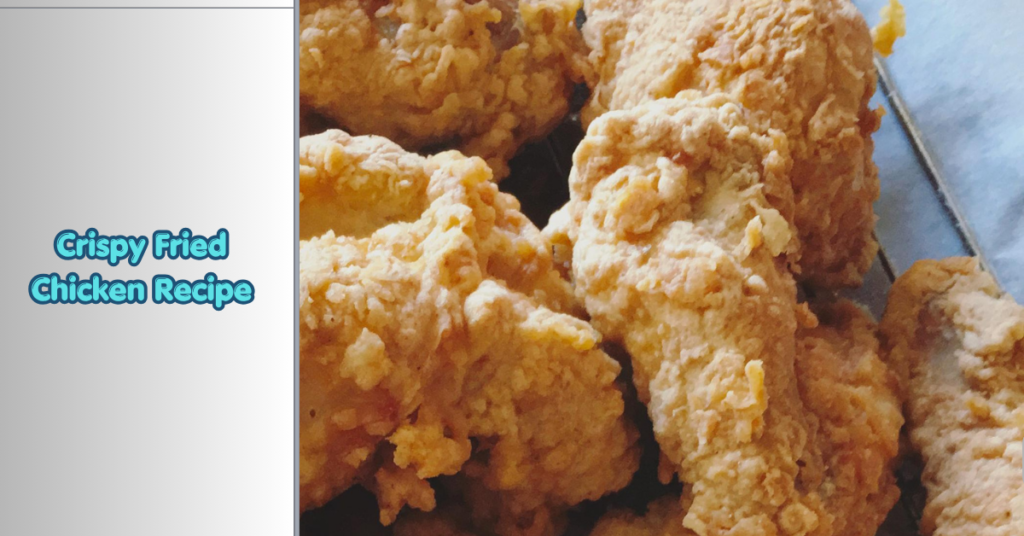
There’s something almost magical about biting into perfectly fried chicken. That satisfying crack of the golden crust. The juicy, tender meat underneath. It’s the kind of food that stops conversation at the dinner table — in the best possible way. But here’s the thing: most home cooks struggle to nail it. The coating falls off. The inside stays raw. The oil temperature drops too fast. Sound familiar?
This guide walks you through everything — from the right cut of chicken to the exact frying temperature — so your crispy fried chicken recipe turns out restaurant-worthy, every single time.
Before diving into technique, it helps to understand the science. Crispiness isn’t just about texture — it signals that the coating has properly set, the moisture has escaped, and the chicken cooked evenly throughout. Soggy fried chicken usually means one of three things: the oil wasn’t hot enough, the chicken went in wet, or the coating lacked the right ingredients. Fix those three problems and you’re already ahead of 90% of home cooks.
Start with bone-in, skin-on pieces — thighs and drumsticks are your best friends here. Bone-in thighs and drumsticks are preferred for their ease and for delivering that true Southern experience. Dark meat stays juicier under high heat, which means less risk of dry, disappointing results. If you prefer breast meat, cut it in half through the bone so it cooks through evenly without over-browning the coating.
Fresh chicken always beats frozen. Frozen chicken releases excess water during cooking, which is the enemy of a crackling crust.
Here’s where most people go wrong — they skip the marinade and wonder why their chicken tastes bland. Buttermilk is a solid option for marinating chicken because the acid helps break down the protein, creating tender, moist, and juicy meat. Avoid marinating longer than 48 hours, as the meat can turn mushy with extended exposure.
No buttermilk at home? No problem. You can make your own by adding one teaspoon of white vinegar into milk, stirring it, and leaving it for 10 minutes until it curdles. It works just as well and costs almost nothing.
Want to try something different? Pickle juice is a tangy shortcut that delivers comparable results to buttermilk. It sounds unusual but the acidity does exactly what buttermilk does — tenderizes the meat and infuses it with flavor from the inside out.
A great crispy fried chicken recipe lives or dies by its coating. Here’s what actually works:
All-purpose flour forms the base. It adheres well to the chicken and fries up golden brown every time.
Cornstarch is the secret weapon. When mixed with flour, cornstarch makes the coating crispier and gives it that golden-brown color, because it prevents gluten development.
Baking powder plays a supporting role. Baking powder reacts with the oil and creates tiny air bubbles, which also helps form a crispy coating.
Egg whites, not whole eggs, work better for the wash. Using whole eggs produces a softer crust because of the yolks’ fat content, while egg whites add structure through protein and help the flour coating stick like culinary glue.
Season every single layer — the buttermilk marinade, the flour, and even between dredges. Think garlic powder, smoked paprika, black pepper, onion powder, and a pinch of cayenne for warmth.
Single coating giving you thin, fragile results? After dredging the chicken in seasoned flour, dip it into an egg wash and place it back into the flour. Repeat the process — dip in egg, finish in flour again. Your fingers will get clumpy, but it’s worth it for that super thick, extra-crispy coating.
Get this wrong and nothing else matters. The optimal frying temperature sits between 300 and 325°F. Too hot and the coating burns before the inside cooks. Too cool and the chicken absorbs oil and turns greasy.
Use a thermometer — guessing doesn’t work here. And never overcrowd the pan. Adding too many pieces drops the oil temperature rapidly, which leads to that dreaded soggy crust.
A cast-iron Dutch oven retains heat exceptionally well, making it the ideal vessel for deep frying at home. It holds a steady temperature better than a regular pot or skillet.
When choosing the best oil, consider the smoke point — the temperature at which the oil breaks down and makes food taste off. Lard infuses the chicken with extra flavor, but neutral-tasting canola oil or peanut oil both work well. Avoid olive oil — its smoke point is too low for deep frying.
After brining, pull the chicken out and let it air-dry. Letting brined chicken air-dry in the fridge overnight removes excess moisture and sharpens crispiness. Bring it to room temperature about 30 minutes before frying to ensure even cooking.
This single step makes a noticeable difference. Wet chicken = steam inside the oil = soft coating. Dry chicken = actual frying = proper crunch.
You’ve done the hard work. Don’t ruin it now by stacking hot pieces on paper towels. Place fried chicken on an ovenproof cooling rack set inside a baking sheet and keep it in a 250°F oven — this is the best way to keep the coating from going soggy while you finish the remaining batches.
Elevation is everything. Air circulates underneath the chicken, preventing the bottom crust from steaming itself soft.
Place cooked chicken in an airtight container and refrigerate for up to 5 days. For freezing, store in an airtight container and it’ll keep for up to 6 months. To reheat from frozen, thaw in the refrigerator first, then bake at 400°F or use an air fryer until heated through.
The air fryer is genuinely the best reheating tool here — it restores much of the original crunch without drying out the meat.
| Step | What to Do | Why It Matters |
|---|---|---|
| Brine | Buttermilk soak, 4–24 hours | Tenderizes and flavors the meat |
| Air Dry | Fridge overnight, uncovered | Removes moisture for better crunch |
| Coating | Flour + cornstarch + baking powder | Creates a thick, crispy shell |
| Double Dredge | Flour → egg → flour again | Extra-thick, craggy crust |
| Fry Temp | 300–325°F | Cooks through without burning |
| Rest | Rack in 250°F oven | Stays crispy between batches |
A genuinely great crispy fried chicken recipe isn’t complicated — but it does demand attention to detail. Brine your chicken properly. Build a layered, well-seasoned coating. Control your oil temperature. And give every piece room to breathe in the pan.
Follow these steps and you won’t just match your favorite takeout spot — you’ll outdo it. That golden, shattering crust over juicy, deeply seasoned meat is completely achievable at home. It just takes the right knowledge and a little patience.